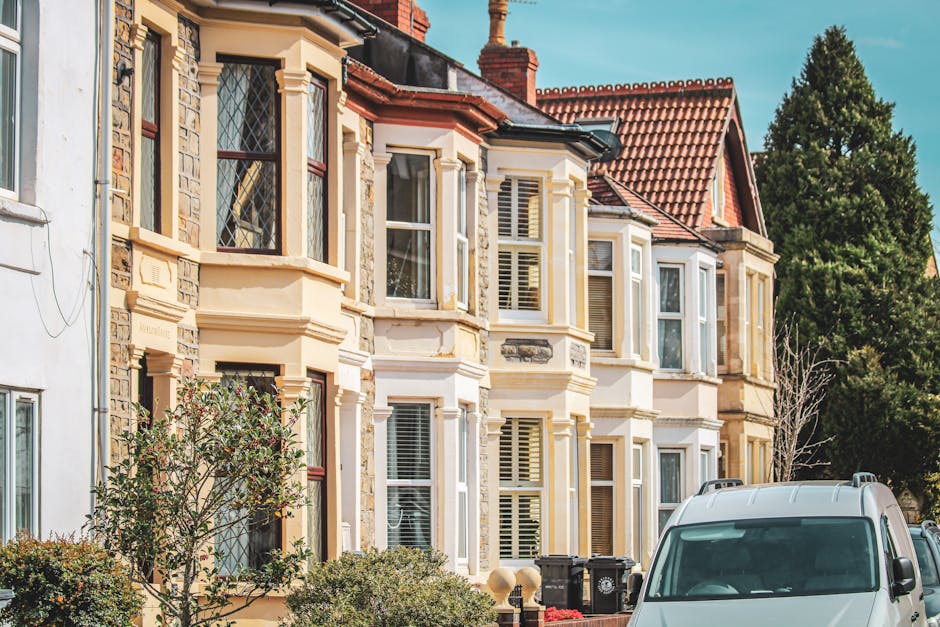
Islington N1 man with van tips for Victorian terraces
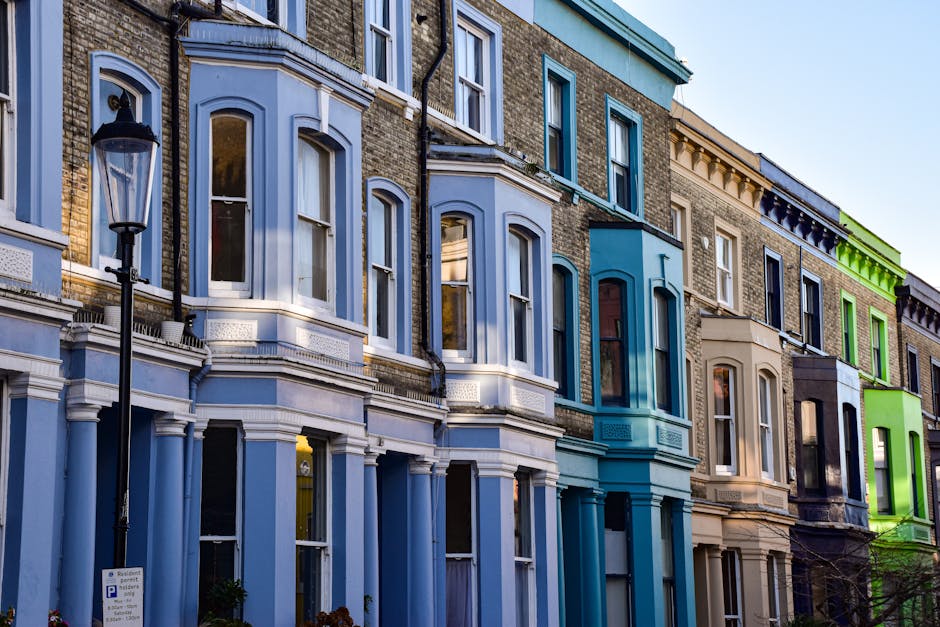
Moving in Islington can feel wonderfully local and quietly chaotic at the same time. One minute you are carrying a lamp down a narrow stairwell, the next you are trying not to clip a banister in a Victorian hallway that was clearly designed before sofas existed. If you are looking for Islington N1 man with van tips for Victorian terraces, you are probably dealing with tight entrances, awkward parking, shared hallways, and a property layout that makes simple jobs feel a bit more complicated than they should. The good news? With the right approach, a man and van move can be calm, efficient, and much less stressful than people expect.
This guide breaks down how to plan around Victorian terraces in N1, what to ask before you book, how to protect your furniture and the building, and how to avoid the small mistakes that turn a short move into a long day. We will keep it practical, local, and human. Because honestly, if you have ever tried to angle a wardrobe around a basement turn in a London terrace, you already know theory only gets you so far.
Why Islington N1 man with van tips for Victorian terraces Matters
Victorian terraces in Islington are charming, but they are not exactly forgiving when it comes to moving day. Staircases are often steep and narrow, front steps can be uneven, hallways may bend in odd places, and basements or top-floor rooms add extra lifting. That means even a small move can become physically demanding if you do not plan for the layout.
For a man with van job, the property type matters as much as the distance travelled. A flat on the first floor of a terrace on a busy N1 street can take more time than a modern apartment with a lift and a loading bay. In our experience, the move itself is rarely the hardest part. It is the access.
That is why local knowledge counts. A crew familiar with inner-London streets will usually think ahead about parking, carrying distance, timing, and the order in which items should leave the property. A thoughtful plan reduces damage, saves time, and keeps the whole day from spiralling. It also helps you decide whether a standard move, a fuller man and van service, or something closer to a larger removal services setup is the smarter fit.
Key takeaway: in Victorian terraces, the move is won or lost on access planning, not on brute force.
How Islington N1 man with van tips for Victorian terraces Works
A man with van move is usually straightforward: one or two movers, a suitable vehicle, and a plan for loading, transporting, and unloading household items. But in a Victorian terrace, the process needs a bit more structure. You are not just moving boxes from A to B. You are navigating stairs, door frames, shared passageways, and maybe a front garden wall that makes turning a mattress feel like a small engineering project.
The practical flow usually looks like this:
- Access check. Measure stair widths, door openings, and anything awkward like a tight landing or a low ceiling.
- Parking check. Decide where the van can stop without blocking traffic or creating a long carry.
- Item grouping. Put fragile, heavy, and bulky items into separate categories.
- Protection prep. Wrap furniture, protect corners, and use blankets or covers where needed.
- Load order. Load bulky and sturdy items first, then stack lighter boxes around them.
- Final sweep. Check every room, cupboard, loft, under-stairs nook, and shed before the van leaves.
This is where a good local mover earns their keep. They are not just lifting. They are sequencing the job so that nobody wastes energy carrying the same item twice because it would not fit the first time. A bit of planning saves your back. Simple, but true.
If the move includes mixed household and small business items, it may also be worth looking at broader support such as movers or even home moves if you want a more rounded moving service rather than a very bare-bones lift-and-shift.
Key Benefits and Practical Advantages
For Islington terraces, a man with van service offers a very practical middle ground. It is often more flexible than a full-size removal team and less expensive than booking a large vehicle for a relatively small load. That balance matters when you are dealing with a compact home, a few key furniture pieces, and maybe a couple of flights of stairs that make everyone sigh a little.
- Flexible access. Smaller vehicles can be easier to position on narrow streets and tight residential roads.
- Better value for small to medium moves. You are not paying for capacity you do not need.
- Quicker turnaround for local jobs. Helpful when moving within Islington or nearby parts of London.
- Less handling stress. A good crew can plan the route from front door to van more efficiently.
- Suitable for awkward Victorian layouts. Especially useful when the staircase is the main obstacle.
There is also a very real psychological benefit: you feel more in control. A smaller, better-organised move can be easier to manage if you are juggling work, children, pets, or just the usual London background noise of deliveries, neighbours, and not enough parking. Let's face it, not every move deserves a giant lorry and a military operation.
For larger or more complex moves, a service that bridges the gap between simple transport and more structured help, such as man with van or house removals, may be more appropriate.
Who This Is For and When It Makes Sense
This kind of move is ideal for people who have a moderate amount of furniture, a few boxes, and a property that is likely to challenge a bigger vehicle or a faster-paced team. If you live in a Victorian terrace in N1, you may be moving from a top-floor flat, a converted maisonette, or a basement flat with a narrow stairwell. All of those situations benefit from careful handling and good timing.
It makes sense if you are:
- moving one or two rooms worth of belongings
- relocating within Islington or neighbouring areas
- dealing with fragile or bulky items that need care
- moving on a tighter budget but still want practical help
- not quite ready for a full removal van and crew
It may also suit people collecting furniture, moving student belongings, shifting rented contents between properties, or helping a relative downsize. If your move is more commercial or office-based, a page like commercial moves or office removals will be closer to what you need.
One useful rule of thumb: if you can comfortably list everything you need to move on one page, a man and van is often a strong candidate. If you need two pages and a diagram, you may need something bigger. Not always, but often.
Step-by-Step Guidance
Here is a practical way to prepare for a move in a Victorian terrace without making it more complicated than it needs to be.
1. Measure the tricky bits first
Measure stair width, landing space, hallway turns, and door frames. If your sofa is nearly as wide as the landing is narrow, know that before moving day, not halfway through it. You will save everyone a headache.
2. Identify problem items early
Large wardrobes, mattresses, divan bases, mirrors, pianos, bookcases, and glass tables deserve extra attention. In terraces, these are the items most likely to catch on railings, doors, or awkward corners.
3. Clear the route
Move rugs, bins, plant pots, and loose shoes out of the way. Victorian homes often have lovely character and absolutely nowhere to put a box down without bumping something. Clear the path before the movers arrive.
4. Decide what goes in the van first
Heavy, stable items should be loaded first. Fragile items should be secured later in the load, where they are less likely to be crushed. This sounds obvious, but on a busy day it is easy to forget.
5. Keep essentials separate
Put documents, chargers, snacks, toiletries, medication, and a change of clothes into one labelled bag. You do not want to be digging through a box marked "miscellaneous" at 11pm. Nobody does.
6. Confirm the parking and arrival plan
In Islington, parking can be the make-or-break detail. Agree the approach, the likely arrival window, and where the van should stop. If your street is narrow, a shorter walking distance from van to front door can make a massive difference.
7. Do a final room-by-room check
Check cupboards, shelves, under beds, attic rooms, and the back of any built-in storage. Victorian terraces have a habit of hiding things in odd little corners.
Expert Tips for Better Results
These are the little things that tend to separate a smooth move from a stressful one.
- Book with access, not just volume, in mind. Two flats with the same number of boxes can take very different amounts of time if one has a steep staircase.
- Use proper wrapping for corners and glass. A cheap blanket is better than nothing, but padded protection is better still.
- Label by room and priority. "Kitchen - first use" is more helpful than simply "kitchen."
- Keep stair traffic clear. Only one person should be carrying through the tightest sections at a time.
- Take photographs of valuables before the move. Useful for your own records, and just sensible.
- Protect the building as well as the furniture. Victorian plaster and painted woodwork can mark more easily than people expect.
If you are comparing service types, some customers find that man and van removals or removals van options give a better balance of help and capacity for terrace properties with lots of stairs and slightly awkward access.
Also, do not underestimate timing. Early morning slots can be quieter on the street, but they can also mean tighter preparation time. Late afternoon may suit you better if you need the whole morning to finish packing. There is no perfect answer, just the less-bad one for your street and your schedule.
Common Mistakes to Avoid
A lot of moving stress comes from small avoidable errors. The good news is they are fairly predictable.
- Underestimating the stairs. A second-floor move with a narrow landing is not the same as a ground-floor pickup, even if the inventory is similar.
- Forgetting parking restrictions. A van that cannot stop close enough will slow everything down.
- Leaving packing until the last minute. "We will just do the boxes tonight" has ruined many a calm plan.
- Not measuring large furniture. If it does not fit round the corner, it does not fit round the corner. Bit obvious, but you would be surprised.
- Mixing fragile and heavy items. That is how chipped crockery and bent frames happen.
- Assuming one mover can handle everything alone. Some jobs need a second pair of hands, especially in terrace properties.
Another common one: people forget the exit route is just as important as the entry route. If a sofa came in before a radiator was fitted, or before a stair banister was changed, it may not come out the same way. Victorian homes do love an unexpected twist.
Tools, Resources and Recommendations
You do not need fancy equipment, but a few practical items make a noticeable difference.
- Furniture blankets or padded covers for protecting polished wood, corners, and painted surfaces
- Stretch wrap for keeping drawers and doors closed during transport
- Strong tape and labels for clear box organisation
- Gloves with grip for safer handling on awkward staircases
- Measuring tape for checking doors, corridors, and furniture dimensions
- Reusable crates or boxes where suitable, especially for repeat short moves
From a service perspective, it is sensible to compare the level of help you actually need. A simple transport-only arrangement may be enough for very small moves, while a more structured package such as removal services or house movers might suit a full property move with heavier furniture.
If you want to understand pricing and what is usually included, it is worth reviewing pricing and quotes. That helps you see whether the job should be priced by time, vehicle size, access difficulty, or a combination of those factors. It is rarely just one thing.
Law, Compliance, Standards, or Best Practice
For a local move in London, you do not usually need to worry about complicated legal issues, but there are some sensible standards and responsibilities that matter. Parking, loading, building access, and safe lifting all affect how the job should be handled. A professional mover should think about these as part of their normal process, not as afterthoughts.
Good practice usually includes:
- checking access before the move
- using suitable lifting techniques and enough people for heavy items
- protecting furniture and the property from avoidable damage
- staying within agreed loading and parking arrangements
- being clear about what is and is not included in the job
It is also sensible to check that the provider has clear terms, payment information, and insurance or safety information available. On this site, pages such as insurance and safety, health and safety policy, and terms and conditions help set expectations in a straightforward way.
One careful note: compliance can vary depending on the exact job, building, and vehicle use, so it is always better to confirm the details in advance rather than assume. That little conversation before the move can save a lot of back-and-forth later.
Options, Methods, or Comparison Table
Not every move in a Victorian terrace needs the same setup. Here is a simple comparison to help you choose the right approach.
| Option | Best for | Strengths | Possible drawback |
|---|---|---|---|
| Basic man with van | Small local moves, a few items, short carry distances | Flexible, cost-conscious, simple to book | May be limited for heavy or awkward furniture |
| Man and van removals | Medium moves with mixed boxes and furniture | More suitable for varied loads and terrace access | Can cost more than a very basic job |
| Removal company or fuller service | Larger home moves, difficult access, multiple rooms | More support, better for complex logistics | Less economical for small moves |
| Truck hire or bigger vehicle | Bulky loads with good access and space outside | Higher capacity | Can be awkward in narrow Islington streets |
If your terrace has tight stairs and limited street space, smaller may actually be smarter. Bigger is not always better. Not in moving, anyway. Sometimes it just means more room to make a mistake.
Case Study or Real-World Example
Imagine a couple moving from a top-floor Victorian terrace conversion in N1 to a nearby flat a few streets away. They have a sofa, a double mattress, a bookcase, a dining table, and around twenty boxes. Nothing extreme, but enough to make the day feel full.
The main issue is the staircase: narrow, curved slightly at the turn, with a landing that barely gives enough room to rotate larger items. They also have no lift, a front step, and a street where parking is tight by mid-morning. The move would probably be fine, but only if the order is right.
So the plan becomes:
- clear the hallway the night before
- measure the sofa and mattress against the stair turns
- pack the fragile boxes separately
- book an earlier slot for easier kerb access
- keep bedding and essentials in one labelled bag
On the day, the movers bring the furniture out first while the boxes are grouped by room. Nothing gets left until the end except the cleaner bits and the quick final sweep. The difference between a tiring move and a reasonably calm one is often this kind of organisation. Not magic. Just preparation.
That is the real value of using experienced local help for Victorian terraces: they already know the sort of problems your building is likely to throw at them, and they plan around those problems before they become delays.
Practical Checklist
Use this before the move if you want a smoother day.
- Measure all large furniture and the tightest stair turns
- Confirm where the van can legally and safely stop
- Separate fragile, heavy, and essential items
- Label boxes by room and priority
- Protect corners, mirrors, and polished furniture
- Clear hallways, landings, and doorways
- Tell movers about any steep stairs, low ceilings, or awkward turns
- Set aside keys, documents, chargers, and valuables
- Do a final check of lofts, cupboards, and under-stairs storage
- Review the quote and what is included before moving day
Quick reminder: if a step feels small, still do it. The small steps are usually the ones that save the day.
If you want a provider overview before booking, you can also look at about us and removals near me for a broader sense of the service range available.
Get a free quote today and see how much you can save.
Conclusion
Victorian terraces in Islington are beautiful, but they ask a lot of a moving team. Tight staircases, small landings, limited parking, and older building layouts all mean that a successful move depends on planning, patience, and the right size of vehicle. The best Islington N1 man with van tips for Victorian terraces are not flashy at all. They are the ordinary, sensible things: measure first, pack well, protect surfaces, confirm access, and work with a mover who understands the area.
Do that, and the move feels less like a scramble and more like a steady sequence of decisions. A bit tiring, sure. But manageable. And that is usually what people need most.
Take your time, trust the preparation, and give yourself a little room for the unexpected. London homes have character, and sometimes the moving day does too.
Frequently Asked Questions
What makes Victorian terraces harder to move in?
They often have narrow staircases, tight hallways, uneven steps, and awkward corners. In Islington N1, parking can add another layer of difficulty, so access planning matters just as much as lifting.
Is a man with van service enough for a terrace house move?
For smaller or medium-sized moves, yes, often it is. If you have a modest amount of furniture and a sensible access plan, a man and van can be a very practical choice. For larger homes, you may need more support.
Should I measure furniture before booking?
Yes, absolutely. Measuring sofas, mattresses, wardrobes, and the tightest stair turns helps avoid nasty surprises on the day. It takes a few minutes and can save a lot of hassle.
How do I prepare for narrow Victorian staircases?
Clear the route, remove loose items, protect corners, and tell the movers about any tight turns in advance. If needed, dismantle large furniture before moving day rather than trying to force it through.
What should I tell the mover before the job starts?
Tell them about stairs, access restrictions, parking limits, heavy items, fragile items, and any furniture that needs dismantling. The more accurate the brief, the smoother the move tends to be.
Is it better to choose a smaller van for Islington streets?
Often, yes. Smaller vehicles can be easier to position on narrow roads and may reduce the walking distance between the van and the front door. That said, the right vehicle still depends on the load size.
How far in advance should I book?
As early as you can, especially for weekends or month-end dates. Local moves can fill quickly, and leaving it late limits your choices. A bit of advance booking is never wasted.
Do I need packing help as well as transport?
If you are short on time, have fragile items, or simply do not want to spend your evening wrapping plates and hunting for tape, packing help can be a smart add-on. Pages such as packing and unpacking services may be useful if you want more hands-on support.
What if my furniture will not fit around the stair turn?
That is where dismantling, alternative lifting angles, or a different route through the property may help. If none of those work, you may need a more experienced team or a different service setup.
Are man and van moves suitable for fragile items?
Yes, provided the items are packed properly and the mover knows what they are handling. Mirrors, glass, artwork, and electronics should be protected and loaded with care.
What is the difference between man with van and a full removal company?
A man with van setup is usually more flexible and suited to smaller or simpler jobs. A full removal company typically offers a broader service, more manpower, and better support for larger or more complex moves.
How can I keep costs under control?
Pack well in advance, make access easy, measure large items, and be honest about the size of the job. You can also review pricing and quotes to understand what affects the final figure before you book.
What should I do on moving morning?
Keep the route clear, have essentials ready, make sure keys are available, and do one final walk-through of the property. A calm start makes the rest of the day much easier, and honestly, that little bit of order changes everything.